

Conditioning Guidelines
A simple guide to how Tierdrop determines card condition
What is card conditioning?
Card conditioning is the process of evaluating a card’s physical state, both front and back, and assigning a descriptive quality label that reflects the range of condition it falls within. This review considers factors such as surface wear, edges, corners and other visible characteristics that contribute to the card’s overall condition.
Tierdrop checks every card before it is sent to the buyer. We review authenticity, condition and listing accuracy, so buyers know what they are receiving and sellers have a clear standard to follow.
Condition is not grading
A Tierdrop condition describes the card's current presentation, based on visible wear. It isn't a professional grade and doesn't predict what the card may grade in the future.
What we check?
Every card is reviewed against the following criteria during authentication.
Raw card condition
How does the card look, and does it match the listed condition?Graded card details
Do the holder, label, displayed grade, certification details and card match? How is the holder condition?Authenticity
Is the card genuine and free from alteration or tampering concerns?The point system
Tierdrop uses a point system to keep reviews consistent. Less noticeable flaws add fewer points, while more noticeable flaws add more. The total helps determine whether the card fits A, B, C or D.
The whole card is reviewed, front and back. We also group related marks together, so wear in one area is judged by its overall impact instead of counting every tiny mark separately.
| VISIBILITY | POINTS | WHAT IT MEANS | TYPICAL EFFECT |
|---|---|---|---|
| Slight Very easy to miss | 1 | Only noticed on close inspection, such as when tilting under the light | Usually stays in A if the rest of the card is clean |
| Minor Noticeable on close look | 2 | Noticeable when checking closely, but not immediately distracting | Usually fits B when the issue is minor and only affects a small area. |
| Moderate Clearly noticeable | 4 | Easy to see and affects the card's appearance | Usually fits C if there is no serious damage |
| Major Heavy wear | 8 | Large, deep or repeated wear that strongly affects the card's appearance | Usually fits D, or may be considered damaged |
Condition standards
If you are familiar with NM, LP, MP and HP, Tierdrop's A to E conditions should feel familiar. Tierdrop uses a point-based system to assess visible wear and damage more consistently, rather than by feel alone. A card does not need to match every example in this guide exactly; it only needs to fit the condition overall.
Keep in mind that certain flaws cap the final grade: a card with a Moderate flaw will be graded C or lower, while a card with a Major flaw will be graded D or lower, regardless of total points.
0 - 3 points
Near Mint
A Grade Condition
A Grade cards have very little handling or play wear and look clean overall.
Cards in this condition may contain:
- Slight edge or corner whitening
- Slight scratches or scuffing in a small area
- Mild natural curvature that does not affect the card's structure
Not allowed: Wear that draws the eye, visible dents, noticeable wear across several areas or structural damage.
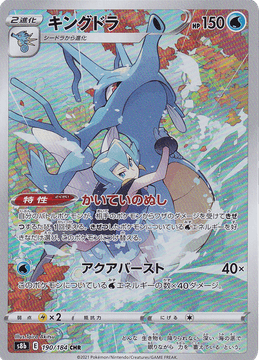
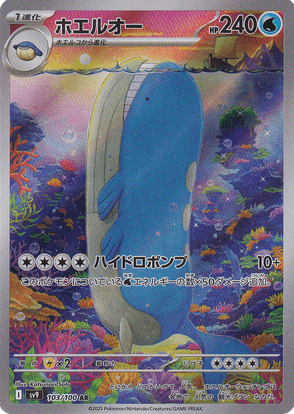
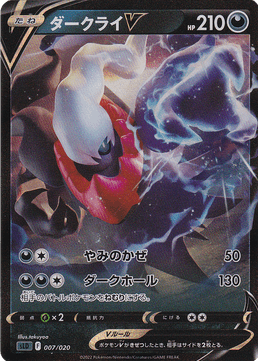
4 - 6 points
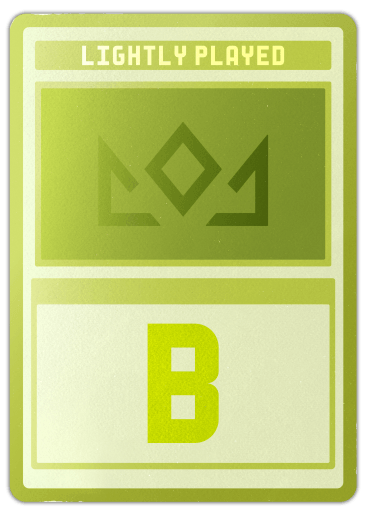
Lightly Played
B Grade Condition
B Grade cards may have small imperfections, but nothing that seriously affects their look or structure.
Cards in this condition may contain:
- Minor edge or corner whitening
- Minor scratches or scuffing in a small area
- A small clear surface indentation
Not allowed: Wear that draws the eye, scratches or scuffing across several areas, deep dents or structural damage.
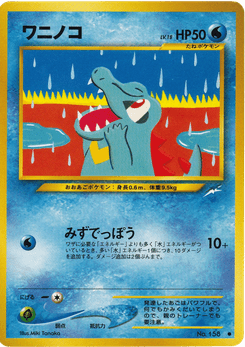
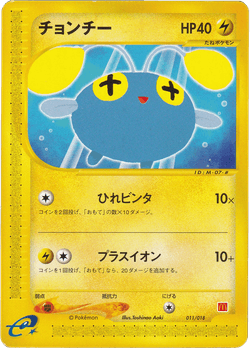
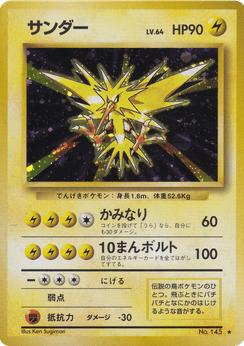
7 - 12 points
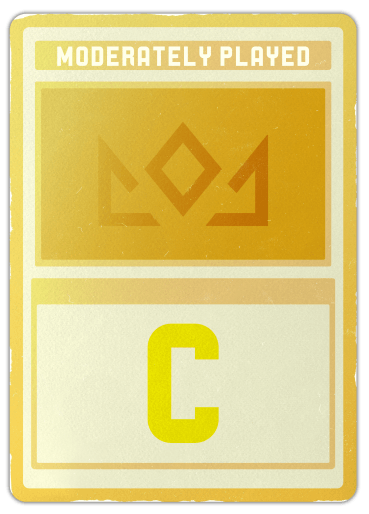
Moderately Played
C Grade Condition
C Grade cards have noticeable wear and may have several visible flaws, but still look presentable overall.
Cards in this condition may contain:
- Visible scratches or scuffing across several areas
- Edge wear in several areas
- Visible dents or pressure marks
- Noticeable warping without structural damage
- Several smaller flaws across the card
Not allowed: Heavy or widespread wear, deep dents, creases or structural damage.
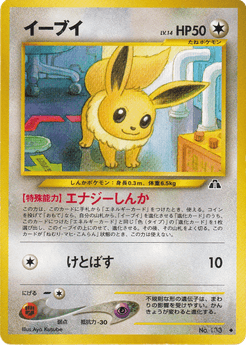
13+ points
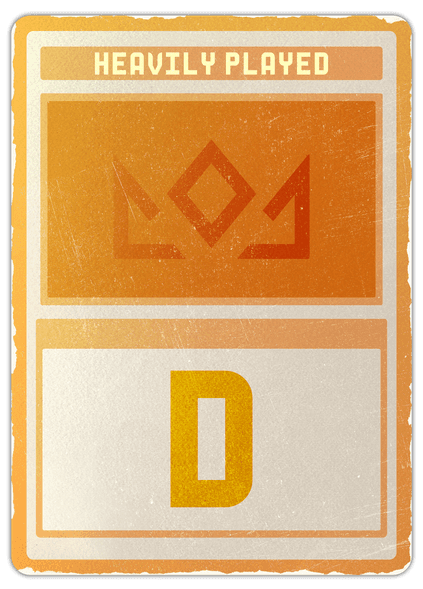
Heavily Played
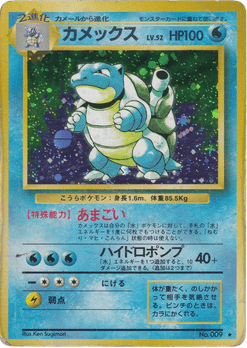
D Grade Condition
D Grade cards show significant wear and multiple visible flaws.
Cards in this condition may contain:
- Heavy edge whitening
- Heavy or widespread scratches or scuffing
- Multiple visible wear marks
- Heavy overall wear without creases or structural damage
Not allowed: Creases, bends, water damage, layer separation or other structural damage.
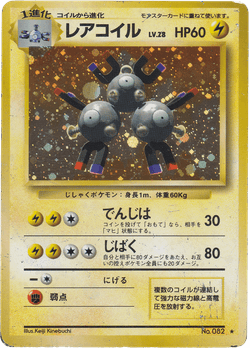
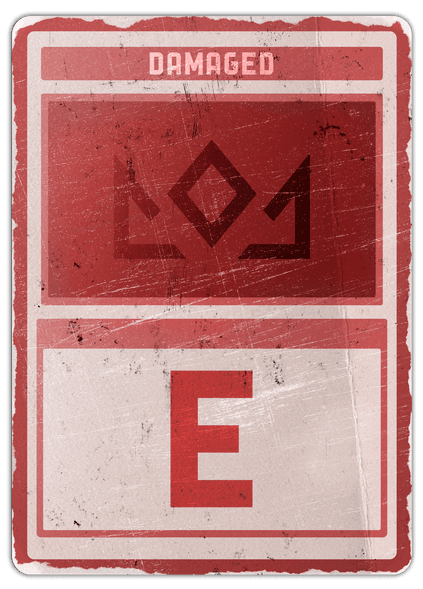
No points
Damaged
E Grade Condition
E Grade cards have extreme wear, physical damage or verification concerns.
Cards in this condition may contain creases, bends, folds, tears, holes, missing pieces, deep scratches, water damage, mould, sticky residue, structural damage, alteration concerns or counterfeit concerns.
Cards in this condition are not accepted for sale on Tierdrop.
Damaged cards
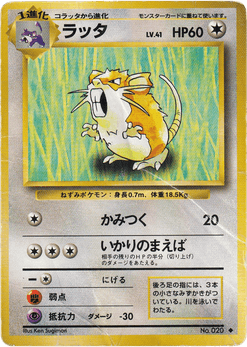
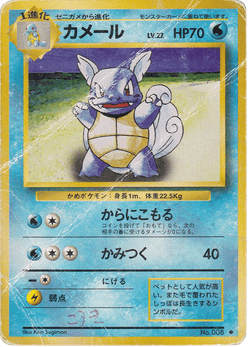
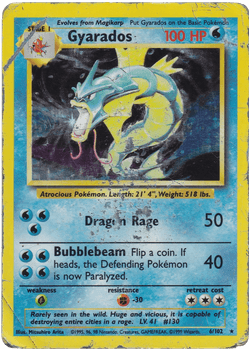
A card is considered damaged if an issue alters its shape, breaks its surface or structure, or significantly affects its overall presentation. Tierdrop does not accept damaged raw cards for sale.
| CATEGORY | EXAMPLES |
|---|---|
| Structural or handling damage |
|
| Extreme wear | Wear so heavy that it seriously affects the card’s structure, surface or overall appearance, even without one clear defining flaw. |
| Contamination | Sticky residue, mould or other foreign substances |
| Factory-related physical damage |
|
| Verification failures |
|
Printing errors
Some cards leave the factory with visible printing errors, such as print lines, foil shifts, missing texture, colour differences or off-centering. These are caused during production rather than by handling or wear. They still need to be disclosed so the condition is clear before purchase.
Common examples:
- Print lines
- Printer hickeys
- Missing or shifted texture
- Ink or colour variation
- Holo or foil variation
- Minor print layer issues
- Extreme off-centering
What happens if I don't disclose an error?
If we find a visible printing error that was not disclosed in your listing, we will let the customer know before the order continues, which may increase the likelihood of the order being cancelled.
Autographed cards
Handwritten autographs can be listed on Tierdrop, but Tierdrop does not verify or guarantee the authenticity of handwritten signatures. Buyers should treat them as unverified unless the autograph is part of an officially distributed card variant.